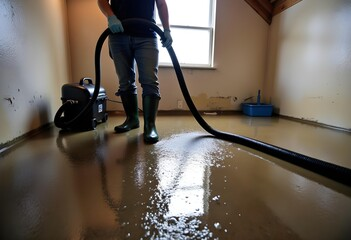
What Is Water Damage Restoration and How Does It Work?

SOCOM Restoration

SOCOM Restoration is a complex process that involves emergency response, inspection, removal of water and unsalvageable materials, dehumidification, cleaning, disinfecting, mold prevention or remediation and thorough drying. Homeowners insurance often covers the cost of restoration.

The process begins with a water mitigation company that protects the home’s structure from further damage. This includes boarding up windows, applying tarps and other precautionary measures.

Water Removal

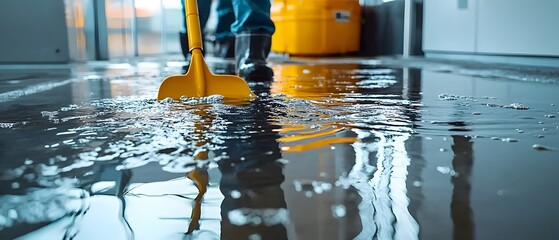
Water removal is an important part of preventing further damage to a property and restoring it to its pre-loss condition. This involves assessing the extent of the water damage, containing and preventing the spread of the water damage, and extracting all the standing water in the affected areas.

Once the water has been removed, the next step in mitigating and repairing water damage is drying out the area. This is achieved by using a combination of air movers and dehumidifiers. Depending on the severity of the water loss, this may be enough to dry out the property, or more extensive steps may need to be taken. This is where the expertise of a professional restoration company comes into play.

During this phase, water is removed from the affected areas with high-powered pumps and industrial wet/dry vacuums. The professionals will also use moisture meters, hygrometers and infrared cameras to identify hidden pockets of saturation that are not immediately visible. They will then determine if carpeting needs to be removed and if it can be saved, as well as whether any wall or floor drywall must be removed and replaced.

It’s crucial to get the water out of the property as soon as possible, because prolonged exposure can cause a wide range of damage. It can compromise the structural integrity of the building, deteriorate wood and other materials, and promote mold growth. A professional water extraction service will ensure that all the excess water is removed from the property to prevent serious and costly problems down the road.

In some cases, water can be classified as Black Water, which is highly contaminated and poses health hazards. In these situations, the professionals will take extra precautions and wear protective gear to protect themselves and the property. The water damage mitigation process will also include sanitization and deodorization of the property to ensure that it is safe for reoccupation. This can also include disinfecting surfaces, cleaning and sanitizing furniture and appliances, and performing any necessary drywall repairs. This step can be very time-consuming, so it’s often best to hire a professional.

Dehumidification

Water damage can be caused by a variety of factors. A burst pipe, a malfunctioning dishwasher, or even a heavy rainstorm can lead to flooded rooms, destroyed flooring, and weakened drywall. It’s important to call a water restoration company as soon as possible when you notice any signs of water damage. Not only can this minimize the amount of water damage, but it can also prevent costly repairs and reduce the risk of mold.

Once all standing water has been removed from the affected areas, a dehumidification process will begin. A professional will use a commercial grade dehumidifier to reduce the level of moisture in the air, helping to speed up the drying process. It is often necessary to use industrial-grade dehumidifiers in order to remove the maximum amount of moisture from the air, especially in areas where there has been significant water damage.

The most common method of dehumidification is using a compressor-based system. This uses a series of coils to condense water vapor from the air, which is then collected and stored. The process can be quite loud and can create a lot of dust, but it’s relatively effective at removing water vapor from the air.

Another type of dehumidification uses desiccant or sorption technology. These systems use solid polymer electrolyte membranes to remove water vapor from the air without condensation. These dehumidifiers are generally lighter and quieter than compressor-based dehumidifiers and they can operate at lower temperatures because they don’t need cooled coils.

During the dehumidification process, the professional may also use a moisture meter or an infrared thermal camera to locate hidden pockets of moisture that may not be visible to the naked eye. These pockets of moisture are important to find, as they can cause serious structural problems over time.

After the moisture has been reduced to acceptable levels, the professional will begin the cleaning and sanitization process. They will clean the surfaces of affected materials that have been exposed to water, sanitizing them with disinfectants and deodorizers. They will then leave their equipment onsite and return on a regular basis to monitor temperature, humidity, and moisture readings to ensure that the affected areas are drying properly.

Cleaning

Water damage restoration is a complicated process that includes several steps: cleaning, sanitizing, disinfecting and drying. The goal is to restore the affected materials and structures back to their pre-damage condition. This process can be very time-consuming depending on the scope of work and the amount of contamination present in the affected areas.

To begin the cleaning and sanitizing process, water damage restoration experts will start with a thorough inspection of the property. This is done to identify all affected areas and to determine the best course of action for repair and restoration. This is also a good time to document the situation, taking pictures and collecting any necessary information that will be needed for insurance purposes.

After the inspection, the professionals will begin to clean up and remove all unwanted debris. This may include scrubbing and vacuuming carpet, cleaning rugs and upholstery, removing furniture, washing walls and ceilings, and removing any non-salvageable items.

When sanitizing, the technicians will also wipe down surfaces and use disinfectants to eliminate any bacteria or pathogens that may be present. They will also apply antimicrobial treatments to prevent fungal growth and kill any existing mold spores.

Once the area is cleaned and sanitized, the drying process will begin. This can take 1 hour for a small home with a few affected areas or up to 4 hours in a larger space with more moisture. During this stage, air movers and dehumidifiers will be strategically placed around the property to expedite the drying process.

Moisture meters will be used to monitor the moisture levels in all affected areas of the property. Once the level is below 20%, the professionals will move on to the next step of restoration.

Once the property is completely dry, the contents will be sanitized, disinfected and deodorized. This includes scrubbing and vacuuming carpet, washing rugs and upholstery, removing furniture, sanitizing kitchen and bathroom areas, and washing walls and ceilings. This is a crucial part of the water damage restoration process, as it helps to eliminate any bacteria or pathogens that could be present. It also helps to reduce odors that may be present.

Repairs

If walls, floors, ceilings, or other materials have been weakened by water damage or completely saturated, they may need to be replaced. This is an important step in the restoration process, as it ensures that the structure of the home or business remains intact and safe for future use. Repairs may also include addressing mold or other hazardous issues that have been caused by the water damage and require special attention to avoid additional problems.

Whether it’s from a burst pipe, a flooded basement, or an overflowing toilet, the effects of water damage can be devastating for homeowners. Left unaddressed, it can lead to costly repairs, structural issues, and health risks. But with proper water damage restoration, you can minimize the impact and restore your property quickly and safely.

The first step in the water damage restoration process is to stop the flow of water and dry out affected areas as much as possible. This is called water mitigation and it can involve things like locating the source of the leak and shutting it off (if you can do so safely). It can also include moving furniture, conducting humidity and moisture testing, and taking steps to prevent further damage to the property.

Once the water is removed and the affected materials are dried out, professionals will conduct an assessment of the property to determine the extent of the damage. This will help to identify the water damage class, which determines the next steps in the restoration process. Class 1: Limited water damage to materials with minimal porosity, such as tile, hardwood, and sealed concrete. Class 2: Saturation of more porous materials, including drywall and carpeting. Class 3: Extensive saturation of materials with low evaporation rates, such as concrete and wood.

Depending on the water damage class and the level of contamination, different restoration services will be required. For example, black water — which contains dangerous bacteria and requires full personal protective equipment — requires more extensive cleaning and sanitation than clean or gray water. The amount of damage and the complexity of the restoration project will also affect cost.

Comprehensive Plumbing Services to Keep Your Property Running Smoothly

A properly functioning plumbing system is one of the most essential components of any property, whether residential or commercial. It ensures access to clean water, supports everyday routines, protects structural integrity, and maintains the overall comfort of a living or working environment. When plumbing issues arise, they can disrupt daily activities, damage property, and create unnecessary stress. This is why comprehensive plumbing services are crucial for keeping a property running smoothly year-round. With professional Plumber in Lake Elsinore CA offering a wide range of solutions—from routine maintenance and inspections to emergency repairs and system upgrades—homeowners and property managers can feel confident that their plumbing needs are fully supported.

plumbers

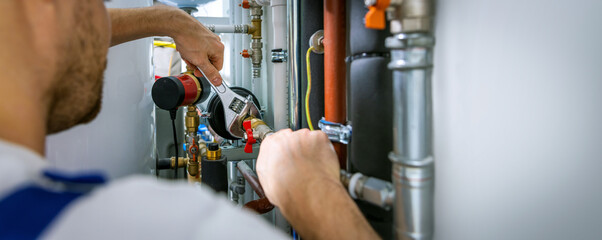
One of the primary advantages of comprehensive plumbing services is the level of expertise that professional plumbers bring to every job. Plumbing systems are made up of complex networks of pipes, valves, fixtures, and appliances. When a single component malfunctions, it can affect the performance of the entire system. Skilled plumbing professionals understand how each part works together and can quickly identify the cause of issues such as leaks, clogs, or inconsistent water pressure. By using advanced diagnostic tools and proven troubleshooting techniques, they provide accurate assessments that help prevent unnecessary repairs and prolonged disruptions.

Routine plumbing maintenance is an essential part of ensuring long-term reliability and performance. Many property owners do not consider preventive care until an issue arises, but planned maintenance can significantly reduce the likelihood of major plumbing emergencies. Routine inspections help catch small problems early, long before they develop into costly repairs. Professional plumbers can check water pressure, test fixtures, inspect pipes for wear, and examine water heaters for signs of sediment buildup or inefficiency. These essential maintenance tasks help extend the lifespan of plumbing infrastructure, improve water efficiency, and preserve the comfort and functionality of a property.

Leaks are among the most common plumbing issues found in homes and businesses, and they have the potential to cause significant damage if left unaddressed. Even minor leaks can lead to mold growth, structural damage, and increased water bills. Comprehensive plumbing services address leaks thoroughly by identifying both visible and hidden problem areas. Modern leak detection techniques—such as pressure testing, acoustic listening devices, and moisture sensors—allow plumbers to locate leaks quickly without extensive demolition. Once the source is found, professionals implement durable repair methods to prevent the leak from recurring. This proactive approach helps property owners protect their investment while maintaining healthy indoor environments.

Drain cleaning services are another vital component of a full-service plumbing program. Over time, drains can become clogged with buildup from grease, soap, hair, food particles, and other debris. If ignored, these clogs can lead to slow drainage, foul odors, or even complete backups. Professional drain cleaning eliminates blockages effectively and safely, restoring the free flow of water throughout the property. Expert plumbers use advanced equipment such as hydro-jetting tools and specialized augers to clear stubborn clogs without damaging the plumbing system. In addition to clearing existing blockages, drain maintenance can help prevent future issues and ensure that sinks, showers, and toilets continue working smoothly.

Water heater services also play a crucial role in maintaining the comfort and convenience of a property. A malfunctioning water heater can disrupt essential tasks like bathing, cleaning, and cooking. Whether a property uses a traditional tank water heater or a modern tankless system, comprehensive plumbing services include installation, repair, and maintenance to ensure optimal performance. Signs that a water heater may require attention include fluctuating water temperatures, unusual noises, slow heating, or water discoloration. Professional plumbers can quickly diagnose the problem and determine whether repairing the unit or replacing it entirely is the most practical solution. Properly maintained water heaters operate more efficiently, consume less energy, and provide consistent hot water for years.

Sewer line services are another important aspect of a complete plumbing system. Issues with a sewer line can lead to major complications such as slow drains, frequent backups, or unpleasant odors around the property. Because sewer lines are located underground, diagnosing and repairing these issues requires specialized equipment and training. Comprehensive plumbing services offer sewer line inspections using camera technology that gives plumbers a clear view inside the pipes. This makes it possible to detect blockages, cracks, tree root intrusion, and other structural problems. Depending on the severity of the issue, plumbers may recommend sewer line cleaning, repairs, or full replacement. By addressing sewer line concerns promptly, property owners can prevent health hazards and avoid costly damage.

Plumbing fixture installation and upgrades are also part of a well-rounded plumbing service package. Over time, fixtures such as faucets, toilets, sinks, and showerheads may wear out, leak, or become outdated. Modern fixtures offer improved performance, enhanced water efficiency, and better aesthetic appeal. Professional plumbers ensure these fixtures are installed correctly, with all seals and connections secured properly. Installing or upgrading fixtures not only improves convenience and functionality but can also help reduce water consumption, which benefits both the environment and utility costs.

Another essential element of comprehensive plumbing services is the handling of emergencies. Plumbing emergencies can occur at any time—often without warning—and can cause significant stress for property owners. Whether it’s a burst pipe, severe clog, overflowing toilet, or sudden appliance failure, emergency plumbing services provide rapid response to minimize damage and restore normal function as quickly as possible. Professional plumbers are equipped to assess the situation immediately, contain the issue, and implement effective solutions. Their readiness and efficiency not only protect the property but also provide peace of mind to homeowners who know that help is available whenever they need it.

Two critical features that contribute to comprehensive plumbing effectiveness include:

  1. Access to modern tools and technology that enable precise diagnostics, efficient repairs, and minimally invasive solutions.
  2. A wide range of available services, allowing plumbers to handle everything from routine maintenance to complex emergency repairs and system replacements.

Comprehensive plumbing services also play a key role in improving water quality within the property. Over time, plumbing systems can accumulate sediment, rust, mineral buildup, and contaminants that affect water quality. Professional plumbing services may include water filtration system installation, water softener solutions, and inspections of water supply lines to ensure that the property has access to clean, safe water. In addition to improving taste and clarity, better water quality protects appliances, prevents scale buildup, and supports healthier daily living.

Backflow prevention is another important service provided by full-service plumbing professionals. Backflow occurs when contaminated water flows backward into the clean water supply, which can happen due to pressure imbalances within the system. This can pose serious health risks, making backflow prevention devices essential. Professional plumbers install and maintain these systems, ensuring they comply with industry standards and function properly. Regular backflow testing also helps property owners maintain safe, reliable water systems.

Property owners also benefit from expert guidance when making major plumbing decisions. Whether planning a renovation, adding new appliances, or improving energy efficiency, professional plumbers can provide valuable recommendations based on the property’s structure, existing systems, and long-term needs. This level of guidance helps homeowners make informed choices that enhance functionality, reduce waste, and improve overall efficiency. Comprehensive plumbing services ensure that all upgrades are compatible with the existing infrastructure, helping avoid future complications.

Commercial properties also rely heavily on comprehensive plumbing services to maintain smooth operations. Businesses often experience higher water usage and more frequent plumbing demands, which means maintenance and quick repairs are essential. Professional plumbing services can accommodate larger systems, manage complex installation needs, and provide routine maintenance that keeps commercial facilities running without interruption. Whether maintaining restrooms, kitchens, or irrigation systems, comprehensive plumbing support ensures that productivity and customer satisfaction are not compromised by unexpected issues.

In conclusion, comprehensive plumbing services are essential for keeping any property running smoothly. By combining advanced diagnostics, skilled repairs, preventative maintenance, and emergency support, professional plumbers provide homeowners and property managers with reliable solutions for every type of plumbing concern. Their expertise ensures that plumbing systems remain efficient, safe, and dependable, protecting both the property and its occupants. Investing in comprehensive plumbing services not only resolves immediate issues but also strengthens the long-term performance of a property’s infrastructure. With skilled professionals handling every aspect of plumbing care, property owners gain lasting peace of mind and confidence in the stability and efficiency of their home or commercial space.

Advanced Plumbing Solutions for Modern Property Needs

Innovative Rosenberg Plumbing solutions prioritize water conservation, energy efficiency, and home safety. Leak detection systems alert users or shut off water automatically to prevent costly damage.

Water-saving fixtures like low-flow faucets and showerheads cut water waste and save money without sacrificing performance. And smart home integration offers control over system operations from anywhere.

plumbing

Automated shutoff valves

An automatic water shut-off valve and leak detection system can prevent a significant amount of property damage by stopping the flow of water before it causes major problems. They can be especially useful for older properties that still have manual valves that are difficult or impossible to access, or in rental and vacation homes where residents are not present during plumbing issues.

Leaks and floods are one of the top reasons homeowners file insurance claims, and can cause devastating damage to furniture, electronics, and personal belongings that may not be replaceable. These systems can also save time, money, and stress by preventing the need to call in water remediation contractors for mold removal, sheetrock replacement, and more.

Motorized water shut-off valves can be tied into a smart home system, an alarm, or a leak detection sensor to detect moisture and automatically turn off the main water supply. They are particularly beneficial for vacant homes, vacation houses, rental properties, or commercial buildings where the occupants will not be present to immediately respond to the presence of a leak or flood.

The system consists of a flow control valve that’s attached to a main water line in the house or business, and a flow monitoring device that “learns” the normal water usage patterns of the property. When the sensors detect a deviation in flow, they send an alert to the automated shut-off valve. The valve shuts off the water in a matter of seconds, reducing or even eliminating damage caused by a burst pipe, significant leak, or flooded areas.

Some systems have an integrated control panel that allows the homeowner to manually shut off the valve if they are away or unavailable, while others offer seamless integration with Z-Wave home automation platforms for remote water control and monitoring via smartphone apps. They can also be configured to alert the occupants of their property via text or email, even while they are on vacation or at work.

Leak detection sensors are typically positioned near appliances, under sinks, and in other high-risk locations, where they can quickly and reliably identify moisture and activate the valve when a leak or flood is detected. Some are compatible with wireless hubs that provide direct control through existing security networks, making them a great option for those already using these systems.

Smart water sensors

For homeowners and property managers alike, the threat of water damage is a significant concern. Unchecked, it can lead to costly repairs, structural problems, and even loss of irreplaceable personal belongings. However, smart water sensors provide an easy-to-use solution that can prevent these issues from escalating into major crises.

These compact, easy-to-install devices monitor the presence of water in places where it shouldn’t be – such as under sinks, near dishwashers and washing machines, and behind refrigerators. They can then send an alert to a mobile device, letting you know about any potential problem before it becomes a disaster. This allows you to shut off the water supply and reduce or eliminate any damage.

Most sensor models feature small built-in piezo buzzers that emit a local audible alarm when water is detected. They can also be programmed to trigger louder, dedicated smart sirens placed elsewhere in the home. This can be particularly helpful if you’re away from home and not sure when you’ll get back to check on things.

Another useful feature of some sensor models is the ability to link them to automated shut-off valves. This provides the option to automatically turn off the water flow when an alarm is triggered, which can help you save money and keep your property in tip-top shape.

As with all connected devices, it’s important to perform regular maintenance on your smart water sensors. This includes testing for proper operation by applying a small amount of water to the probes and verifying that you receive notifications and any linked sirens or shut-off valves activate as intended. It’s also wise to replace batteries promptly when low-battery warnings are received. Additionally, you’ll want to regularly exercise the valve by manually operating it to ensure it doesn’t seize up due to mineral buildup.

Whether you manage one property or multiple, intelligent leak detection can make all the difference in keeping your assets safe and reducing your operational stress. Embrace the technology of smart water sensors to protect your investments and enhance the experience for your customers.

Recirculating systems

Unlike conventional plumbing systems, recirculating systems pump water continuously in a dedicated loop, pulling hot water from the water heater and pushing it through to faucets on demand. This can eliminate the long wait for hot water in areas such as showers and kitchens. However, they may also increase energy use and reduce efficiency due to the constant pumping and heat loss from hot water lines. In some cases, it may be more cost-effective to install a hot water tank with a higher thermal efficiency.

Recirculating systems can be activated by a button, thermostat, timer, or motion sensor. They can be used with existing plumbing and often require minimal installation. They are a good choice for homes that have trouble with a cold water supply or if they are located far from the water heater. They can also be used in new construction homes and commercial properties.

There are many benefits of a recirculating system, including reducing the time it takes for hot water to reach fixtures, eliminating waste caused by draining and reheating, and saving energy. In addition, recirculating systems are easy to install and inexpensive. They are available in a variety of configurations and can be customized to meet specific requirements.

Modern residential properties are designed to reflect a contemporary lifestyle and incorporate the latest in building materials, design, smart home integration, and technology. These homes are typically smaller and offer more flexible living spaces than older homes. They are usually built in suburban areas and offer a range of amenities, such as en-suite bathrooms, garages, and utility rooms. They are also often more energy efficient, with better insulation and solar panel installations.

Local recirculating systems have the potential to save energy and money by avoiding the expense of air conditioning, heating, and ventilation. A simple equation can be used to determine the required flow rate and cleaner efficiency for a room air recirculation system. The equation consists of the following variables: csup, supply air flow rate; qairrec, return air flow rate; cc, contaminant concentration; qairflow, recirculated airflow; t, room turnover time; and e, hood capture efficiency.

Smart home integration

From preventing costly water damage to providing modern conveniences, advanced plumbing techniques offer valuable solutions for homeowners. For example, automated shutoff valves protect homes against unforeseen plumbing disasters by instantly cutting off the water supply when leaks are detected. This preventative measure eliminates expensive repair costs and minimizes the risk of major damage, making it a must-have for any property.

Smart water sensors are another invaluable plumbing technology, providing homeowners with real-time data about their water usage. This enables them to identify wasteful patterns and make changes that lower their utility bills and reduce water usage. It’s a forward-thinking approach that aligns with environmental sustainability goals and encourages responsible water consumption.

Advanced plumbing techniques also leverage innovative materials that increase system durability and efficiency. For instance, cross-linked polyethylene (PEX) piping is an excellent alternative to copper piping, reducing the likelihood of leaks and corrosion. It is also designed to withstand higher water pressure, improving the overall functionality of home plumbing systems.

Moreover, these plumbing techniques utilize the latest advancements in automation and robotics to improve home maintenance services. For example, plumbers can now easily pinpoint leaks and cracks using high-resolution cameras that can scan pipes for any issues, facilitating faster repairs. It’s a great way to save time and money by minimizing disruption, especially in hard-to-reach areas of the home.

As the need for more sophisticated and resilient home plumbing solutions grows, so too does the demand for advanced plumbing techniques. These advanced methods integrate technology into home plumbing to optimize water management, offering a seamless integration with other home technologies. They allow you to monitor and control your plumbing system from anywhere, giving you the flexibility to manage your home’s water supply as needed.

Another trend that’s gaining traction is the use of environmentally friendly and biodegradable materials for plumbing components. This practice promotes a cleaner environment by reducing the amount of toxic chemicals used in the plumbing industry. Moreover, it’s an excellent option for eco-conscious homeowners who seek to minimize their ecological footprint.

Ensuring Comfort and Safety With Professional Plumbing Services

Plumbing is a vital component of every home and commercial building, ensuring access to clean water, proper sanitation, and efficient waste removal. From minor leaks to major pipe installations, plumbing systems impact daily life more than many people realize. Reliable plumbing services are essential for maintaining comfort, preventing damage, and ensuring health and safety. Understanding the role of a plumber, common issues, and best practices can help property owners address problems efficiently and effectively.

plumbing

The Importance of Professional Plumbing

Plumbing systems are complex, involving water supply lines, drainage systems, fixtures, and appliances. Professional plumbers bring specialized knowledge, tools, and experience to ensure these systems function properly. Key reasons to hire a professional plumber include:

  • Expert diagnosis – Professionals can quickly identify the root cause of issues such as leaks, low water pressure, or drainage problems.
  • Safe repairs – Plumbing often involves water, gas lines, and electrical connections, all of which require careful handling to prevent accidents.
  • Efficient solutions – Experienced plumbers complete tasks accurately and efficiently, minimizing disruption to daily routines.
  • Preventive care – Regular inspections and maintenance can prevent costly future repairs and extend the life of plumbing systems.

Relying on skilled plumbers ensures that both minor and major issues are resolved safely and effectively.

Common Plumbing Problems

Plumbing issues can range from simple inconveniences to serious emergencies. Recognizing common problems early helps prevent further damage and costly repairs:

  • Leaks – Dripping faucets, leaking pipes, or running toilets waste water and can cause water damage or mold growth.
  • Clogged drains – Kitchen sinks, bathroom drains, and sewer lines may become blocked by grease, hair, soap, or debris.
  • Low water pressure – Often caused by pipe corrosion, leaks, or sediment buildup, low pressure affects the efficiency of showers, faucets, and appliances.
  • Water heater issues – Inconsistent temperatures, strange noises, or leaks may indicate problems with water heaters.
  • Burst or frozen pipes – Extreme weather or old pipes can cause bursts, leading to flooding and extensive property damage.
  • Toilet problems – Running, clogging, or incomplete flushing require attention to maintain hygiene and functionality.

Addressing these issues promptly prevents escalation and ensures safe, efficient operation of the plumbing system.

Plumbing Maintenance Tips

Regular maintenance is crucial for preventing issues and extending the lifespan of plumbing systems. Effective maintenance practices include:

  • Inspecting pipes and connections – Check for signs of corrosion, leaks, or loose fittings regularly.
  • Cleaning drains – Remove debris and buildup to avoid clogs and maintain proper drainage.
  • Monitoring water pressure – Sudden changes may indicate hidden leaks or pipe issues.
  • Servicing water heaters – Flush tanks periodically to remove sediment and maintain efficiency.
  • Protecting pipes in cold weather – Insulate exposed pipes to prevent freezing and bursts during winter.

Consistent maintenance reduces emergency repairs, improves water efficiency, and safeguards the home.

Plumbing Installation Services

In addition to repairs, plumbers are essential for installing new fixtures, systems, and appliances. Common installation projects include:

  • Pipes and plumbing systems – Installing or replacing supply and drainage pipes for new construction or renovations.
  • Water heaters – Installing energy-efficient water heaters to provide consistent hot water.
  • Fixtures – Installing sinks, faucets, toilets, showers, bathtubs, and other plumbing fixtures.
  • Appliances – Connecting dishwashers, washing machines, and water filtration systems.
  • Outdoor plumbing – Setting up irrigation, hose bibs, or drainage solutions for yards and gardens.

Proper installation ensures long-term performance, prevents leaks or damage, and maintains water efficiency.

Emergency Plumbing Services

Plumbing emergencies can occur at any time, and a quick response is critical to minimize damage. Emergencies may include burst pipes, overflowing toilets, sewer backups, or major leaks. Professional plumbers are equipped to handle these emergencies, often providing:

  • Rapid response – Fast service prevents extensive water damage and property loss.
  • Temporary and permanent solutions – Technicians provide immediate fixes and follow up with permanent repairs.
  • Assessment and prevention – After resolving the emergency, plumbers often identify potential risks to prevent recurrence.

Having a trusted plumbing service on call ensures peace of mind in urgent situations.

DIY vs. Professional Plumbing

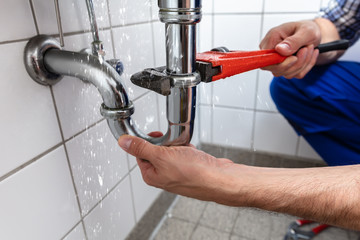
While minor tasks like tightening faucets or clearing small clogs can be done by homeowners, most plumbing work requires professional expertise. Complex issues, especially those involving gas lines, major water leaks, or sewer systems, should never be handled without training. Professionals have the knowledge, tools, and safety protocols to prevent accidents, damage, and inefficient repairs.

Benefits of Hiring a Plumber

Investing in professional plumbing services provides numerous advantages:

  • Reliability – Professional repairs are often more durable than DIY fixes.
  • Time-saving – Technicians complete jobs efficiently, minimizing disruption to daily life.
  • Cost-effective – Preventing future damage through proper repairs and maintenance saves money over time.
  • Health and safety – Clean, functional plumbing systems support hygiene and reduce health risks.
  • Expert guidance – Plumbers can recommend upgrades, water-saving solutions, and preventive measures.

The combination of expertise, efficiency, and long-term benefits makes professional plumbing a valuable investment.

Sustainable Plumbing Practices

Modern plumbing services often include eco-friendly solutions to conserve water and energy. These may involve:

  • Installing low-flow faucets, toilets, and showerheads
  • Using energy-efficient water heaters and pumps
  • Detecting and repairing hidden leaks to reduce water waste
  • Advising on water-saving appliances and fixtures

Adopting sustainable practices benefits both homeowners and the environment while reducing utility costs.

Plumbing is an essential service that ensures comfort, safety, and efficiency in every home and commercial property. Professional plumbers handle a wide range of tasks, from repairs and maintenance to installation and emergency response. Regular maintenance, timely repairs, and expert installation extend the life of plumbing systems, improve water efficiency, and prevent costly damage.

Whether addressing a minor leak, installing new fixtures, or managing an emergency, skilled plumbers play a vital role in maintaining the functionality and safety of a property. Investing in professional plumbing services is not just about fixing problems—it’s about protecting your home, supporting daily life, and ensuring peace of mind for years to come.

Why Septic Pumping Is Important

A septic tank that has not been pumped in a while is not only smelly, it can also cause sewage to back up into your home. Untreated wastewater can contaminate groundwater and nearby bodies of water.

Septic Pumping

When wastewater leaves your home, it travels to the septic tank where natural separation occurs. Solid waste settles in the bottom as sludge, oils and grease float to the top as scum, and a clear liquid remains in the middle known as effluent. Contact The Septic Guys for professional help.

Regular septic pumping is the most important step in your septic system maintenance. It prevents blockages and helps your septic system last longer, saving you money on repairs or replacement.

Drains that won’t fully empty, toilets that clog and make loud, gurgling sounds in your home are all signs that your septic tank is full. When solid waste builds up inside your septic tank, it prohibits wastewater from flowing freely into the leach field. This can lead to sewage backups in your home and puddles of liquid in your yard, which is a health and safety hazard for you and your family.

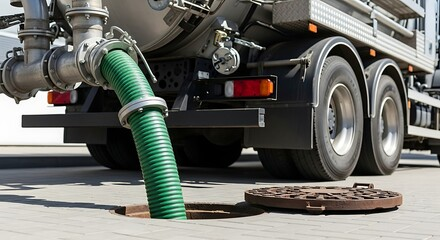
Septic tank pumps remove the sludge and water layers, allowing wastewater to flow properly into the leach field. It also helps keep solid waste from entering the groundwater supply, which could harm drinking water supplies and cause disease in humans and animals.

If you’re worried about your septic tank’s condition, a professional inspection can provide valuable information. The inspector can recommend needed repairs and suggest optimal pumping intervals to prolong your septic tank’s lifespan.

Keeping up with your septic tank maintenance schedule ensures your septic system works the way it should without overworking or overheating your components. It’s also a great way to protect your property value by preserving a well-functioning septic system that lasts for years.

Your septic tank is designed to treat sewage and other household waste. While the bacteria that live in the septic tank break down some of the most dangerous pathogens, other waste still remains in the septic tank until a professional pumps it out. Be sure to watch what you flush, as some items (including wipes, feminine products and paper towels) don’t belong in the septic system or toilet pipes. These can clog the septic tank and cause your septic system to overwork. By following these simple tips, you can help reduce the risk of septic system failure and costly damage to your home and yard.

Increases Home Value

Investing in regular septic pumping is not only a great way to keep your family healthy, it also adds value to your property. Whether you’re thinking of selling your home or simply want to protect your long-term investment, proper septic system care is important. Prospective buyers will consider a well-functioning septic tank as a positive feature, particularly in areas where access to municipal sewer systems is limited. This is because septic systems are less costly to own and operate than sewer systems. Moreover, they are environmentally friendly and do not require monthly sewer fees, which can increase your home’s marketability.

Septic tank systems that are regularly pumped experience fewer issues throughout their lifespan, resulting in lower repair costs. This, in turn, saves homeowners significant sums in maintenance and replacement costs. Furthermore, insurance companies often offer better coverage and premium reductions to homes with consistent maintenance records.

In contrast, septic tanks that are neglected or experiencing failure may significantly reduce your home’s overall value. In addition, a faulty or outdated septic system will raise red flags for prospective buyers, potentially deterring them from making an offer. Moreover, mortgage lenders typically require septic inspections before approving loans for a property. This is why it’s essential for homeowners to maintain a detailed record of septic tank services and inspections to avoid potential problems that can delay or complicate the sale process.

In Winston-Salem, it is recommended that septic tanks be pumped every 3-5 years to prevent solids buildup. The exact frequency will depend on your household size and usage habits, but it is important to be consistent in order to prevent excessive strain on the system. In addition, practicing water conservation and avoiding the flushing of non-biodegradable waste can further reduce stress on your septic system. Lastly, by scheduling routine inspections, homeowners can identify any potential issues early and address them before they become more serious. This can greatly improve a home’s marketability, helping to prevent unexpected and expensive repairs or delays in the sale process. By investing in septic pumping, homeowners can enjoy significant cost-savings and peace of mind.

Reduces Odors

Septic system odors are not just unpleasant; they can also be hazardous to your family’s health. The foul smells are produced as microbes break down waste solids inside the septic tank, and the process is disrupted if the pH level becomes too acidic. Regular septic pumping prevents this, as the sludge and scum levels are removed and disposed of properly.

It’s important to note that odors around your home can indicate other issues as well, such as a clogged drain or overflowing septic tank. Persistent odors are a sure sign that it’s time to call in the professionals. Other warning signs include standing water, gurgling sounds when using toilets or sinks, and slow draining.

In a standard septic system, waste flows into a large underground tank where it separates into layers: solids (or sludge) at the bottom, liquids in the middle, and grease or scum at the top. Bacteria break down the waste, but if the pH balance is too acidic, a hydrogen sulfide gas odor may be released into the home. To avoid this, a septic service company can add an aerator to the tank to introduce oxygen and allow aerobic bacteria to thrive.

Other factors that can contribute to septic system odors include a lack of proper water usage, a broken baffle, or invasive tree roots. Keeping up with routine maintenance and using water wisely is the best way to prevent septic tank odors, and a professional plumber can help you create an individualized plan for your specific system.

Investing in regular septic tank pumping will not only keep your family safe and comfortable, but it’ll also save you money over the long run. Systems that are well-maintained experience fewer problems over their lifespan, and homeowners often receive discounts or lower insurance premiums for consistently following best practices. Cumulative savings like these reinforce the importance of proactive septic system care, and help homeowners realize that investing in regular maintenance is a sound financial decision.

Protects the Environment

The wastewater treatment process that septic systems offer is natural and environmentally-friendly. It helps to replenish local aquifers, which are vital to our water supply, and supports a balanced ecosystem. The treatment system’s design allows for natural filtration, where the soil absorbs pathogens and other contaminants before they reach groundwater sources. Properly functioning septic systems reduce reliance on public or community wastewater management, which is more costly and can be harmful to the environment.

A septic tank that is not regularly pumped can become full of solid waste and scum, which can clog the pipes and prevent wastewater from flowing into the drain field. When this happens, sewage can back up into homes and cause odors both inside and outside the property. Regular pumping eliminates these problems and keeps the septic system functional.

Performing preventive maintenance with scheduled inspections and routine pumping is the best way to protect a septic system. It can extend its lifespan and help to save money by avoiding costly repairs and premature replacement costs. These measures can also add to the overall value of a home.

The drain field (also called the leach field) is an integral part of the septic system, allowing wastewater to naturally filter through soil layers. This process removes harmful pathogens and chemicals from the wastewater, reducing environmental impact. When the drain field is not properly maintained, sewage can seep into the groundwater supply, which can affect everyone in the area. Septic tanks that are not pumped regularly will overflow, causing contaminated wastewater to flow out into the surrounding environment.

The drain field can be protected by practicing mindful water usage habits, such as installing low-flow toilets and showerheads, and spreading out laundry loads throughout the day. It is also important to keep vehicles and equipment off of the septic drain field, since their weight can damage buried pipes and disrupt underground flows. It is also important to avoid planting trees and shrubs with aggressive roots close to the septic system, as these can infiltrate pipes and tank walls, leading to blockages and leaks.

Navigation