Septic tank pumping is one of the most important, and most overlooked, aspects of home maintenance for properties that rely on a septic system. Unlike homes connected to a municipal sewer system, septic systems require regular care to function properly. Failing to pump your septic tank on schedule can lead to costly repairs, environmental damage, and unpleasant backups inside your home.
In this comprehensive guide, we’ll explain what septic tank pumping is, why it’s essential, how often it should be done, what happens during the process, warning signs that your tank is overdue, and how proper maintenance can save you thousands of dollars in the long run.
What Is Septic Tank Pumping?
A septic tank is an underground container designed to treat wastewater from your home. When water from toilets, sinks, showers, and appliances flows into the tank, solids settle at the bottom as sludge, while lighter materials like grease and oils float to the top as scum. The liquid in the middle layer flows out into the drain field, where it is filtered naturally through soil.
Septic tank pumping is the process of removing the accumulated sludge and scum from the tank. Over time, these solids build up and must be removed to prevent them from entering the drain field or backing up into the home. Pumping is done using specialized vacuum trucks operated by licensed septic professionals.
Why Septic Tank Pumping Is So Important
Regular septic tank pumping is not optional — it’s essential for the health of your septic system. When a tank is not pumped frequently enough, solids can overflow into the drain field, clogging pipes and soil pores. This can cause system failure, wastewater backups, and contamination of groundwater.
Here are the key reasons septic tank pumping matters:
1. Prevents Costly Repairs
Replacing a failed drain field can cost tens of thousands of dollars. Routine pumping is a small investment compared to the cost of major septic repairs or full system replacement.
2. Protects Your Home
An overfilled septic tank can cause sewage backups into sinks, toilets, and floor drains. These backups are not only unpleasant but also pose serious health risks.
3. Extends System Lifespan
A well-maintained septic system can last 25–40 years or more. Regular pumping reduces strain on the system and keeps it functioning efficiently.
4. Protects the Environment
Untreated wastewater can contaminate nearby soil, wells, lakes, and streams. Pumping helps ensure wastewater is properly treated and safely dispersed.
How Often Should a Septic Tank Be Pumped?
There is no one-size-fits-all answer, but most residential septic tanks should be pumped every 3 to 5 years. The exact frequency depends on several factors:
- Household size – More people produce more wastewater and solids.
- Tank size – Smaller tanks fill up faster.
- Water usage – High water usage increases system load.
- Garbage disposal use – Disposals add solids that accelerate sludge buildup.
- Waste habits – Flushing non-biodegradable items increases accumulation.
For example, a family of four with a 1,000-gallon tank typically needs pumping every 3 years, while a smaller household with limited water usage may extend that interval to 5 years.
If you’re unsure when your tank was last pumped, it’s best to schedule an inspection.
Signs Your Septic Tank Needs Pumping
Waiting until there’s a problem can lead to expensive damage. Fortunately, septic systems often give warning signs when pumping is overdue.
Common signs include:
- Slow-draining sinks, tubs, or showers
- Gurgling sounds in plumbing
- Sewage odors indoors or outdoors
- Standing water or soggy soil near the drain field
- Unusually green grass over the septic area
- Sewage backing up into toilets or drains
If you notice any of these symptoms, contact a septic professional immediately. Ignoring them can result in system failure.
What Happens During Septic Tank Pumping?
Many homeowners are curious about what actually happens during septic tank pumping. The process is straightforward and usually takes less than an hour.
Step 1: Locating the Tank
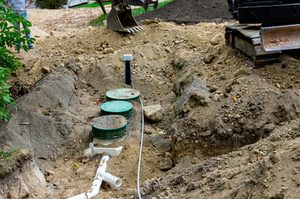
The technician locates the septic tank and access ports. If the tank is buried, some digging may be required.
Step 2: Inspection
Before pumping, the technician may inspect the tank to check sludge levels, baffles, and overall condition.
Step 3: Pumping the Tank
A vacuum hose is inserted into the tank, and all sludge, scum, and wastewater are removed into the pump truck.
Step 4: Final Check
The technician checks for cracks, leaks, or damaged components and may provide maintenance recommendations.
Once complete, the tank is sealed, and the waste is transported to an approved treatment facility.
What Septic Tank Pumping Does Not Do
It’s important to understand what pumping can and cannot fix.
Septic tank pumping:
- ✅ Removes accumulated solids
- ✅ Prevents overflows and backups
- ✅ Helps maintain proper system function
Septic tank pumping does not:
- ❌ Repair a failing drain field
- ❌ Fix broken pipes or cracked tanks
- ❌ Eliminate the need for responsible water use
Pumping is preventative maintenance, not a cure-all for damaged systems.
How Much Does Septic Tank Pumping Cost?
The cost of septic tank pumping varies by location, tank size, and accessibility. On average, homeowners can expect to pay $300 to $600 for routine pumping.
Factors that influence cost include:
- Tank size (larger tanks cost more)
- Distance from access point to truck
- Depth of the tank
- Emergency or after-hours service
- Regional disposal fees
While it may seem expensive, regular pumping is far cheaper than emergency repairs or system replacement.
Tips to Reduce the Need for Frequent Pumping
You can extend the time between pumpings by practicing good septic habits:
- Use water efficiently and fix leaks promptly
- Avoid flushing wipes, diapers, feminine products, or paper towels
- Limit garbage disposal use
- Do not pour grease, oil, or chemicals down drains
- Spread out laundry loads instead of doing them all at once
- Keep vehicles and heavy equipment off the drain field
These habits reduce solid buildup and protect your system.
The Truth About Septic Additives
Many products claim to eliminate the need for septic tank pumping. Unfortunately, these claims are misleading.
Biological additives may help bacteria break down waste, but they do not remove sludge. Solids will still accumulate and must be physically pumped out. In some cases, additives can even disrupt the natural balance of the system.
Professional pumping remains the only reliable way to remove solids.
Choosing a Septic Tank Pumping Professional
Not all septic service providers are the same. When choosing a company, look for:
- Proper licensing and insurance
- Experience with residential septic systems
- Clear pricing and service explanations
- Positive customer reviews
- Willingness to inspect and educate, not upsell unnecessarily
A reputable professional will help you protect your investment, not just pump and leave.
Final Thoughts: Septic Tank Pumping Is Preventative Care
Septic tank pumping is not just a routine chore — it’s an essential part of protecting your home, your health, and the environment. With regular pumping, proper water use, and professional inspections, your septic system can operate reliably for decades.
If you can’t remember the last time your tank was pumped, or if you’re experiencing warning signs, now is the time to act. Scheduling septic tank pumping today can save you thousands of dollars tomorrow and give you peace of mind knowing your system is working as it should.