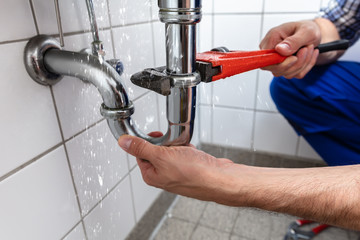
Water damage is one of the most common and destructive issues affecting residential and commercial properties. It can occur suddenly or develop slowly over time, often going unnoticed until significant harm has already been done. Regardless of the cause, water damage has the potential to weaken structural components, damage personal belongings, and create unhealthy indoor environments. Understanding how water damage occurs and why prompt action is essential can help property owners protect their investments and avoid costly repairs. Hiring a professional Salt Lake City Water Damage service will prevent physical injury and property damage.
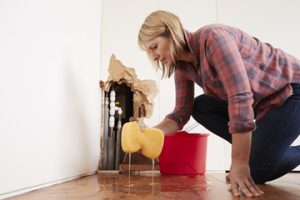
What Is Water Damage and Why Does It Matter
Water damage refers to the deterioration of building materials and contents caused by unwanted moisture. This damage may result from internal plumbing failures, external water intrusion, or environmental conditions. Even small amounts of water can create serious problems when they penetrate walls, flooring, insulation, or ceilings.
Moisture affects both visible and hidden areas of a property. While surface damage may appear manageable, water often travels behind walls or beneath floors, where it can weaken structural supports and promote microbial growth. Left untreated, water damage can compromise safety, reduce property value, and increase the risk of long-term health concerns.
Common Causes of Water Damage
Water damage can originate from numerous sources, many of which occur unexpectedly. Identifying the cause is essential for proper mitigation and prevention.
Some of the most frequent causes include:
- Leaking or burst pipes due to corrosion, pressure changes, or aging systems
- Appliance malfunctions involving washing machines, dishwashers, or water heaters
- Roof damage that allows rainwater to enter the structure
- Poor drainage systems leading to water pooling around foundations
- Sewer backups and clogged drains
Each cause presents different challenges and may affect a property in unique ways, making early detection and response especially important.
How Water Damage Spreads Through a Property
Water does not remain in one place once it enters a structure. It follows gravity and capillary action, allowing moisture to spread into surrounding materials. Porous materials such as drywall, wood, carpeting, and insulation absorb water quickly, increasing the extent of damage.
As water spreads, it can cause swelling, warping, and delamination of building materials. Flooring may buckle, walls may soften, and ceilings may sag. Electrical systems can also be affected, creating safety hazards that require professional attention. Understanding how water damage spreads highlights the importance of addressing the issue at the earliest possible stage.
The Hidden Dangers of Untreated Water Damage
One of the most concerning aspects of water damage is the harm it causes beyond what is immediately visible. Moisture trapped within structural components creates an ideal environment for mold, bacteria, and other microorganisms to thrive. These contaminants can spread through the air, affecting indoor air quality and potentially triggering respiratory issues.
Additionally, prolonged exposure to moisture weakens structural elements over time. Wood may rot, metal components may corrode, and concrete may develop cracks. These hidden dangers make water damage more than just a cosmetic issue—it becomes a serious structural and environmental concern if left unresolved.
Signs That Indicate Water Damage
Recognizing the early signs of water damage can help property owners take action before the problem worsens. Some indicators are obvious, while others may be subtle and easy to overlook.
Common signs include:
- Discoloration or staining on walls and ceilings
- Peeling paint or bubbling wallpaper
- Musty or damp odors
- Warped flooring or soft spots underfoot
- Unexplained increases in humidity or moisture levels
Addressing these warning signs promptly can prevent further damage and reduce restoration costs.
Water Damage and Its Impact on Indoor Air Quality
Water damage has a direct effect on indoor air quality. Excess moisture supports the growth of mold and mildew, which release spores into the air. These airborne particles can cause unpleasant odors and contribute to respiratory discomfort, especially for individuals with allergies or sensitivities.
High humidity levels caused by water damage can also make indoor environments feel uncomfortable and promote the spread of dust mites and bacteria. Proper moisture control is essential for maintaining a healthy indoor atmosphere and preventing long-term air quality issues.
Structural Risks Associated With Water Damage
Water damage can significantly weaken a property’s structural integrity. When moisture penetrates load-bearing materials, it reduces their strength and stability. Over time, this can lead to sagging floors, cracked walls, and compromised foundations.
Structural risks are particularly serious because they may not be immediately apparent. What begins as a minor leak can eventually result in major repairs if moisture is allowed to persist. Early assessment and corrective measures are essential to preserving the safety and durability of the structure.
Short-Term and Long-Term Effects of Water Damage
Water damage produces both immediate and lasting consequences. Short-term effects often include visible staining, material swelling, and surface deterioration. These issues may seem manageable at first but often signal deeper problems beneath the surface.
Long-term effects develop when moisture remains trapped within the structure. Mold growth, material decay, and ongoing humidity issues can continue to worsen over time. Long-term water damage often requires more extensive repairs and can significantly increase restoration costs if not addressed early.
Preventing Water Damage Through Proactive Measures
While not all water damage can be prevented, proactive maintenance and awareness can significantly reduce the risk. Routine inspections and timely repairs play a key role in protecting properties from moisture intrusion.
Preventive measures include:
- Regular inspection of plumbing systems for leaks or corrosion
- Maintaining roofs, gutters, and downspouts to ensure proper drainage
- Monitoring appliances for signs of wear or malfunction
- Sealing cracks in walls, foundations, and windows
- Managing indoor humidity levels with proper ventilation
Implementing these strategies helps reduce the likelihood of water damage and supports long-term property preservation.
Why Prompt Action Matters When Water Damage Occurs
Time is a critical factor when dealing with water damage. The longer moisture remains in contact with building materials, the more extensive the damage becomes. Within hours, water can spread and penetrate porous surfaces. Within days, microbial growth may begin to develop.
Prompt action limits damage, reduces repair costs, and shortens recovery time. Addressing water damage quickly also helps prevent secondary issues such as mold growth and structural deterioration, making early intervention essential.
Water Damage in Residential Properties
Homes are particularly vulnerable to water damage due to their reliance on plumbing systems, appliances, and roofing components. Residential water damage can affect living spaces, personal belongings, and overall comfort.
From minor leaks to major flooding events, water damage in a home can disrupt daily life and create safety concerns. Understanding the risks and responding quickly helps homeowners protect their property and maintain a healthy living environment.
Water Damage in Commercial Properties
Commercial properties face unique challenges when water damage occurs. Moisture intrusion can disrupt operations, damage inventory, and create safety hazards for occupants. The scale and complexity of commercial spaces often require comprehensive assessment and planning.
Water damage in commercial settings may also impact building systems such as electrical wiring and HVAC components. Addressing these issues promptly helps minimize downtime and protect the long-term functionality of the property.
The Importance of Professional Assessment
Water damage is not always easy to evaluate without proper tools and expertise. Moisture can remain hidden within walls and flooring long after surface water has been removed. Professional assessment ensures that all affected areas are identified and addressed.
Accurate evaluation helps prevent recurring issues and ensures that repairs target the root cause of the damage rather than just the symptoms. A thorough approach is essential for long-lasting results.
Water Damage Awareness Thoughts
Water damage is a serious issue that affects properties of all types and sizes. Its causes are varied, its effects can be severe, and its consequences often extend far beyond what is visible. Understanding the nature of water damage and the importance of a timely response empowers property owners to take informed action.
By recognizing warning signs, addressing issues promptly, and implementing preventive measures, it is possible to reduce the impact of water damage and protect both property and occupants. Awareness and preparedness remain the most effective tools in managing water damage and preserving long-term structural integrity.