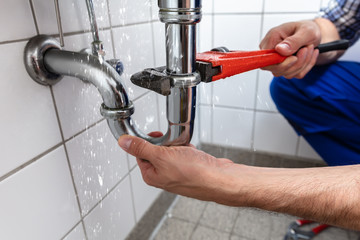
A tiny leak can stain ceilings and warp wood, and drive up your water bill. Professional Plumbers Denton TX fix the problem quickly, using tested methods and modern tools that track down even hidden leaks.
Clogged drains and sewer lines can also cause major headaches. Putting things down the drain that shouldn’t be there, like grease, hair, or those misleadingly named “flushable wipes”, can lead to a costly clog.
Dripping Faucets
A dripping faucet is annoying, but it’s also an indication that there’s a bigger plumbing problem at hand. Left unattended, a dripping faucet could lead to a water leak in your pipes and eventually cause expensive damage to your home. This is why it’s important to fix a dripping faucet as soon as you notice it.
Dripping faucets are usually caused by a stiffening or dislodgement of the internal washer or O ring. In many cases, you can fix the problem yourself by switching off your water and removing the faucet to access the washer. Once you have it removed, simply replace the old washer and reassemble your faucet. Leaving a dripping faucet can lead to a high water bill, serious water damage to wood and masonry, mold and mildew, and cockroach infestations.
Another common plumbing problem is low water pressure. This can occur when something clogs a pipe or when your water heater isn’t working properly. A plumber can help determine what’s causing the low water pressure and recommend a solution.
One of the most common causes of low water pressure is freezing temperatures. Long periods of cold weather can put your pipes at risk of freezing and bursting. To prevent this, it’s a good idea to let your faucets drip during cold weather. This will keep some of the warmer city water flowing through your pipes and prevent them from freezing.
You don’t need to leave all of your faucets dripping, but it’s a good idea to choose a few key ones. Choose the ones closest to your water heater, those on exterior walls, and any that are in unheated spaces like the garage or basement. Also, make sure to open cabinet doors to allow heat from the sun to reach your pipes. Leaving just a few faucets to drip during the winter can prevent costly frozen and burst pipes. This is especially important for older homes or those that aren’t well-insulated.
Clogged Drains
One of the most common plumbing problems that many homeowners have to deal with is clogged drains. Food scraps, coffee grounds, hair, soap scum, and other debris can all build up in the pipes and prevent water from flowing properly. Sometimes these clogs can be easily fixed with a plunger or chemical drain cleaner, but other times it may be necessary to call in a professional plumber.
If you notice that the water in your sink or bathtub is draining slowly, try pouring a mixture of baking soda and white vinegar down the drain to break down any built-up debris. You can also use an enzymatic drain cleaner to clear stubborn clogs that don’t respond to other DIY solutions. These products break down the clogs by using enzymes to dissolve organic matter in the pipes.
For more serious clogs, you can use a drain snake to dislodge the blockage and clear out the pipe. Be sure to use caution when operating a drain snake as it can be dangerous. If the clog is located in the toilet, you will likely need to call in a professional plumber to remove the toilet and clear out the sewer line.
A clogged toilet can be especially problematic, as it may overflow and deposit human waste throughout the home. This is particularly concerning if it happens multiple times or in a hurry. In most cases, a clogged toilet can be easily fixed with a plunger, but more serious problems may require the use of a drain snake or a sewer cleaning machine.
Leaky pipes are another common problem that can lead to major issues if left unfixed for too long. These pipes can be damaged by corrosion, freezing temperatures, high water pressure, and other factors. Leaky pipes can cause sagging floors, damp walls, mold and mildew, and other damage to your home. If you suspect a leak, turn off all water-using appliances and check underneath sinks and around toilets for signs of moisture or leaks. You can also use your water meter to determine whether or not you have a leaky pipe.
Leaky Pipes
A dripping pipe is not only annoying, it can lead to water waste and serious damage. Water seeping from a leaky pipe rots wood, damages flooring and wall materials, and creates a breeding ground for bacteria and insects. If the problem gets worse, it can even cause mold and mildew. A professional plumber can replace the damaged section of pipe, and fix any other problems caused by the leak.
Most leaks happen around joints, where pipes are fitted together. Leaks at these joints are often repaired with pipe fillers or tape, but these aren’t permanent solutions. A plumber can replace the joints or use a slip coupling to make a stronger connection. It’s important to use a fitting that matches the pipe material, and a plumbing supply company can help you choose the right fitting for the job.
Another common leaky pipe problem is a cracked or broken pipe. These can be difficult to detect, but if you notice a damp area or a hole in the wall, ceiling or floor, call in a plumber. It’s also a good idea to inspect your home’s plumbing on a regular basis, so you can spot potential problems early.
Water that tastes bad or looks discolored may be a sign of a pipe problem. It could be a simple sediment buildup, or it might indicate rust in your home’s water pipes or in the municipal water supply lines. A licensed plumber can install a water filter or purifier to improve the quality of your drinking water.
If you have metal or PVC pipes, you should be especially vigilant about checking for signs of corrosion or leaks. These can start out small, but if left unattended, they can burst and cause flooding and water damage. If you have old, corroded pipes, it’s a good idea to get them replaced with new, PEX or PVC piping. These are less likely to burst, and they’re easier to work with than older copper pipes. A plumber can help you decide whether to replace your old pipes or upgrade to a more modern system.
Burst Pipes
Whether caused by freezing temperatures, aging pipes or simply by overuse of your garbage disposal, burst pipes are among the most serious plumbing problems. The resulting floods and water damage can be devastating to your home. Recognizing the warning signs of a burst pipe (and knowing where your water shut off valves are) can help you take quick action that minimizes damage and keeps your family safe.
Like clogged toilets, sewer line blockages are another common reason that homeowners call in a plumber. However, while a clogged toilet usually results in a mess and requires a vigorous plunger to clear away the detritus, a sewer line blockage is often more dangerous. In fact, a burst pipe could result in gross (and expensive) water and sewage backups that threaten the health of your family.
When your home’s water supply is affected by a broken or damaged pipe, it can affect everything from your laundry to your cooking. It can even lead to mold and mildew growth in your home’s interior, causing health issues. In addition, the constant flow of water from a burst pipe can cause further structural damage to your home.
Leaking pipes are also a major concern. When left untreated, they can lead to massive water damage to wood and masonry materials as well as your furniture and carpets. They can also create an ideal breeding ground for bacteria, cockroaches and other pests. Fortunately, leaks are easy to fix once you know what to look for. To avoid them, regularly inspect your plumbing for cracks or loose joints and use a pipe tape to seal any areas that may be vulnerable.
If you notice that your home’s water has started to turn brown or red, this is a sign of rust in the water pipes and usually indicates that it’s time for a replacement. If your water has also turned green, it’s likely a sign of algae and could be an indicator that the municipal water supply is being compromised. If your water is contaminated, you’ll need to evacuate your home and contact your local utility company immediately.