Tag: septic tank pumping

Septic Tank Pumping: Everything Homeowners Need to Know

Septic Tank Pumping

Septic Tank Pumping Brighton MI is one of the most important, and most overlooked, aspects of home maintenance for properties that rely on a septic system. Unlike homes connected to a municipal sewer system, septic systems require regular care to function properly. Failing to pump your septic tank on schedule can lead to costly repairs, environmental damage, and unpleasant backups inside your home.

In this comprehensive guide, we’ll explain what septic tank pumping is, why it’s essential, how often it should be done, what happens during the process, warning signs that your tank is overdue, and how proper maintenance can save you thousands of dollars in the long run.

What Is Septic Tank Pumping?

A septic tank is an underground container designed to treat wastewater from your home. When water from toilets, sinks, showers, and appliances flows into the tank, solids settle at the bottom as sludge, while lighter materials like grease and oils float to the top as scum. The liquid in the middle layer flows out into the drain field, where it is filtered naturally through soil.

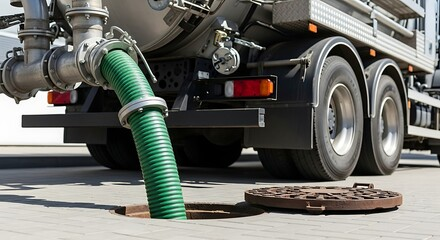
Septic tank pumping is the process of removing the accumulated sludge and scum from the tank. Over time, these solids build up and must be removed to prevent them from entering the drain field or backing up into the home. Pumping is done using specialized vacuum trucks operated by licensed septic professionals.

Why Septic Tank Pumping Is So Important

Regular septic tank pumping is not optional — it’s essential for the health of your septic system. When a tank is not pumped frequently enough, solids can overflow into the drain field, clogging pipes and soil pores. This can cause system failure, wastewater backups, and contamination of groundwater.

Here are the key reasons septic tank pumping matters:

1. Prevents Costly Repairs

Replacing a failed drain field can cost tens of thousands of dollars. Routine pumping is a small investment compared to the cost of major septic repairs or full system replacement.

2. Protects Your Home

An overfilled septic tank can cause sewage backups into sinks, toilets, and floor drains. These backups are not only unpleasant but also pose serious health risks.

3. Extends System Lifespan

A well-maintained septic system can last 25–40 years or more. Regular pumping reduces strain on the system and keeps it functioning efficiently.

4. Protects the Environment

Untreated wastewater can contaminate nearby soil, wells, lakes, and streams. Pumping helps ensure wastewater is properly treated and safely dispersed.

How Often Should a Septic Tank Be Pumped?

There is no one-size-fits-all answer, but most residential septic tanks should be pumped every 3 to 5 years. The exact frequency depends on several factors:

  • Household size – More people produce more wastewater and solids.
  • Tank size – Smaller tanks fill up faster.
  • Water usage – High water usage increases system load.
  • Garbage disposal use – Disposals add solids that accelerate sludge buildup.
  • Waste habits – Flushing non-biodegradable items increases accumulation.

For example, a family of four with a 1,000-gallon tank typically needs pumping every 3 years, while a smaller household with limited water usage may extend that interval to 5 years.

If you’re unsure when your tank was last pumped, it’s best to schedule an inspection.

Signs Your Septic Tank Needs Pumping

Waiting until there’s a problem can lead to expensive damage. Fortunately, septic systems often give warning signs when pumping is overdue.

Common signs include:

  • Slow-draining sinks, tubs, or showers
  • Gurgling sounds in plumbing
  • Sewage odors indoors or outdoors
  • Standing water or soggy soil near the drain field
  • Unusually green grass over the septic area
  • Sewage backing up into toilets or drains

If you notice any of these symptoms, contact a septic professional immediately. Ignoring them can result in system failure.

What Happens During Septic Tank Pumping?

Many homeowners are curious about what actually happens during septic tank pumping. The process is straightforward and usually takes less than an hour.

Step 1: Locating the Tank

The technician locates the septic tank and access ports. If the tank is buried, some digging may be required.

Step 2: Inspection

Before pumping, the technician may inspect the tank to check sludge levels, baffles, and overall condition.

Step 3: Pumping the Tank

A vacuum hose is inserted into the tank, and all sludge, scum, and wastewater are removed into the pump truck.

Step 4: Final Check

The technician checks for cracks, leaks, or damaged components and may provide maintenance recommendations.

Once complete, the tank is sealed, and the waste is transported to an approved treatment facility.

What Septic Tank Pumping Does Not Do

It’s important to understand what pumping can and cannot fix.

Septic tank pumping:

  • ✅ Removes accumulated solids
  • ✅ Prevents overflows and backups
  • ✅ Helps maintain proper system function

Septic tank pumping does not:

  • ❌ Repair a failing drain field
  • ❌ Fix broken pipes or cracked tanks
  • ❌ Eliminate the need for responsible water use

Pumping is preventative maintenance, not a cure-all for damaged systems.

How Much Does Septic Tank Pumping Cost?

The cost of septic tank pumping varies by location, tank size, and accessibility. On average, homeowners can expect to pay $300 to $600 for routine pumping.

Factors that influence cost include:

  • Tank size (larger tanks cost more)
  • Distance from access point to truck
  • Depth of the tank
  • Emergency or after-hours service
  • Regional disposal fees

While it may seem expensive, regular pumping is far cheaper than emergency repairs or system replacement.

Tips to Reduce the Need for Frequent Pumping

You can extend the time between pumpings by practicing good septic habits:

  • Use water efficiently and fix leaks promptly
  • Avoid flushing wipes, diapers, feminine products, or paper towels
  • Limit garbage disposal use
  • Do not pour grease, oil, or chemicals down drains
  • Spread out laundry loads instead of doing them all at once
  • Keep vehicles and heavy equipment off the drain field

These habits reduce solid buildup and protect your system.

The Truth About Septic Additives

Many products claim to eliminate the need for septic tank pumping. Unfortunately, these claims are misleading.

Biological additives may help bacteria break down waste, but they do not remove sludge. Solids will still accumulate and must be physically pumped out. In some cases, additives can even disrupt the natural balance of the system.

Professional pumping remains the only reliable way to remove solids.

Choosing a Septic Tank Pumping Professional

Not all septic service providers are the same. When choosing a company, look for:

  • Proper licensing and insurance
  • Experience with residential septic systems
  • Clear pricing and service explanations
  • Positive customer reviews
  • Willingness to inspect and educate, not upsell unnecessarily

A reputable professional will help you protect your investment, not just pump and leave.

Final Thoughts: Septic Tank Pumping Is Preventative Care

Septic tank pumping is not just a routine chore — it’s an essential part of protecting your home, your health, and the environment. With regular pumping, proper water use, and professional inspections, your septic system can operate reliably for decades.

If you can’t remember the last time your tank was pumped, or if you’re experiencing warning signs, now is the time to act. Scheduling septic tank pumping today can save you thousands of dollars tomorrow and give you peace of mind knowing your system is working as it should.

Why Septic Pumping Is Important

A septic tank that has not been pumped in a while is not only smelly, it can also cause sewage to back up into your home. Untreated wastewater can contaminate groundwater and nearby bodies of water.

Septic Pumping

When wastewater leaves your home, it travels to the septic tank where natural separation occurs. Solid waste settles in the bottom as sludge, oils and grease float to the top as scum, and a clear liquid remains in the middle known as effluent. Contact The Septic Guys for professional help.

Regular septic pumping is the most important step in your septic system maintenance. It prevents blockages and helps your septic system last longer, saving you money on repairs or replacement.

Drains that won’t fully empty, toilets that clog and make loud, gurgling sounds in your home are all signs that your septic tank is full. When solid waste builds up inside your septic tank, it prohibits wastewater from flowing freely into the leach field. This can lead to sewage backups in your home and puddles of liquid in your yard, which is a health and safety hazard for you and your family.

Septic tank pumps remove the sludge and water layers, allowing wastewater to flow properly into the leach field. It also helps keep solid waste from entering the groundwater supply, which could harm drinking water supplies and cause disease in humans and animals.

If you’re worried about your septic tank’s condition, a professional inspection can provide valuable information. The inspector can recommend needed repairs and suggest optimal pumping intervals to prolong your septic tank’s lifespan.

Keeping up with your septic tank maintenance schedule ensures your septic system works the way it should without overworking or overheating your components. It’s also a great way to protect your property value by preserving a well-functioning septic system that lasts for years.

Your septic tank is designed to treat sewage and other household waste. While the bacteria that live in the septic tank break down some of the most dangerous pathogens, other waste still remains in the septic tank until a professional pumps it out. Be sure to watch what you flush, as some items (including wipes, feminine products and paper towels) don’t belong in the septic system or toilet pipes. These can clog the septic tank and cause your septic system to overwork. By following these simple tips, you can help reduce the risk of septic system failure and costly damage to your home and yard.

Increases Home Value

Investing in regular septic pumping is not only a great way to keep your family healthy, it also adds value to your property. Whether you’re thinking of selling your home or simply want to protect your long-term investment, proper septic system care is important. Prospective buyers will consider a well-functioning septic tank as a positive feature, particularly in areas where access to municipal sewer systems is limited. This is because septic systems are less costly to own and operate than sewer systems. Moreover, they are environmentally friendly and do not require monthly sewer fees, which can increase your home’s marketability.

Septic tank systems that are regularly pumped experience fewer issues throughout their lifespan, resulting in lower repair costs. This, in turn, saves homeowners significant sums in maintenance and replacement costs. Furthermore, insurance companies often offer better coverage and premium reductions to homes with consistent maintenance records.

In contrast, septic tanks that are neglected or experiencing failure may significantly reduce your home’s overall value. In addition, a faulty or outdated septic system will raise red flags for prospective buyers, potentially deterring them from making an offer. Moreover, mortgage lenders typically require septic inspections before approving loans for a property. This is why it’s essential for homeowners to maintain a detailed record of septic tank services and inspections to avoid potential problems that can delay or complicate the sale process.

In Winston-Salem, it is recommended that septic tanks be pumped every 3-5 years to prevent solids buildup. The exact frequency will depend on your household size and usage habits, but it is important to be consistent in order to prevent excessive strain on the system. In addition, practicing water conservation and avoiding the flushing of non-biodegradable waste can further reduce stress on your septic system. Lastly, by scheduling routine inspections, homeowners can identify any potential issues early and address them before they become more serious. This can greatly improve a home’s marketability, helping to prevent unexpected and expensive repairs or delays in the sale process. By investing in septic pumping, homeowners can enjoy significant cost-savings and peace of mind.

Reduces Odors

Septic system odors are not just unpleasant; they can also be hazardous to your family’s health. The foul smells are produced as microbes break down waste solids inside the septic tank, and the process is disrupted if the pH level becomes too acidic. Regular septic pumping prevents this, as the sludge and scum levels are removed and disposed of properly.

It’s important to note that odors around your home can indicate other issues as well, such as a clogged drain or overflowing septic tank. Persistent odors are a sure sign that it’s time to call in the professionals. Other warning signs include standing water, gurgling sounds when using toilets or sinks, and slow draining.

In a standard septic system, waste flows into a large underground tank where it separates into layers: solids (or sludge) at the bottom, liquids in the middle, and grease or scum at the top. Bacteria break down the waste, but if the pH balance is too acidic, a hydrogen sulfide gas odor may be released into the home. To avoid this, a septic service company can add an aerator to the tank to introduce oxygen and allow aerobic bacteria to thrive.

Other factors that can contribute to septic system odors include a lack of proper water usage, a broken baffle, or invasive tree roots. Keeping up with routine maintenance and using water wisely is the best way to prevent septic tank odors, and a professional plumber can help you create an individualized plan for your specific system.

Investing in regular septic tank pumping will not only keep your family safe and comfortable, but it’ll also save you money over the long run. Systems that are well-maintained experience fewer problems over their lifespan, and homeowners often receive discounts or lower insurance premiums for consistently following best practices. Cumulative savings like these reinforce the importance of proactive septic system care, and help homeowners realize that investing in regular maintenance is a sound financial decision.

Protects the Environment

The wastewater treatment process that septic systems offer is natural and environmentally-friendly. It helps to replenish local aquifers, which are vital to our water supply, and supports a balanced ecosystem. The treatment system’s design allows for natural filtration, where the soil absorbs pathogens and other contaminants before they reach groundwater sources. Properly functioning septic systems reduce reliance on public or community wastewater management, which is more costly and can be harmful to the environment.

A septic tank that is not regularly pumped can become full of solid waste and scum, which can clog the pipes and prevent wastewater from flowing into the drain field. When this happens, sewage can back up into homes and cause odors both inside and outside the property. Regular pumping eliminates these problems and keeps the septic system functional.

Performing preventive maintenance with scheduled inspections and routine pumping is the best way to protect a septic system. It can extend its lifespan and help to save money by avoiding costly repairs and premature replacement costs. These measures can also add to the overall value of a home.

The drain field (also called the leach field) is an integral part of the septic system, allowing wastewater to naturally filter through soil layers. This process removes harmful pathogens and chemicals from the wastewater, reducing environmental impact. When the drain field is not properly maintained, sewage can seep into the groundwater supply, which can affect everyone in the area. Septic tanks that are not pumped regularly will overflow, causing contaminated wastewater to flow out into the surrounding environment.

The drain field can be protected by practicing mindful water usage habits, such as installing low-flow toilets and showerheads, and spreading out laundry loads throughout the day. It is also important to keep vehicles and equipment off of the septic drain field, since their weight can damage buried pipes and disrupt underground flows. It is also important to avoid planting trees and shrubs with aggressive roots close to the septic system, as these can infiltrate pipes and tank walls, leading to blockages and leaks.

Navigation